
Cost-Benefit Analysis of Sheet Metal Forming Machines
Sheet metal forming is a critical process in manufacturing industries such as automotive, aerospace, and construction. Selecting the right forming machine involves a detailed cost-benefit analysis (CBA) to evaluate financial viability, operational efficiency, and long-term value. This article explores the key factors in conducting a CBA for sheet metal forming equipment, including initial investment, operational costs, productivity gains, and intangible benefits.
1. Initial Investment and Capital Costs
The purchase price of sheet metal forming machines varies significantly based on type, capacity, and technology. Common machines include press brakes, stamping presses, and roll forming systems. A comprehensive CBA must account for:
- Machine purchase cost
- Installation and setup expenses
- Training for operators
- Initial tooling and dies
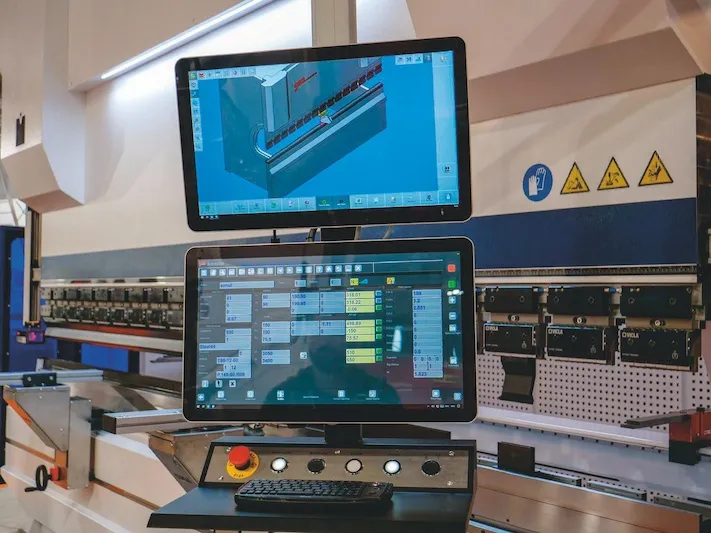
For example, a high-end CNC press brake may have a higher upfront cost but offer greater precision and automation, reducing long-term labor expenses.
2. Operational Costs and Efficiency
Operational costs include energy consumption, maintenance, labor, and material waste. Advanced machines often incorporate energy-efficient motors and predictive maintenance systems, lowering ongoing expenses. The table below compares operational costs for three common forming machines:
| Machine Type | Energy Cost (Annual) | Maintenance Cost (Annual) | Labor Hours Required (Per Shift) |
|---|---|---|---|
| Mechanical Press Brake | $5,000 | $3,000 | 8 |
| Hydraulic Press Brake | $7,000 | $4,500 | 6 |
| CNC Press Brake | $6,000 | $2,500 | 3 |
CNC machines reduce labor hours through automation, leading to significant savings over time.
2.1. Energy Efficiency Considerations
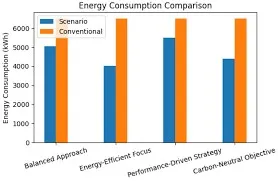
Modern sheet metal forming machines often feature regenerative drives and idle-mode energy savings. Investing in energy-efficient models can reduce electricity costs by up to 30%, contributing to both economic and environmental benefits.
3. Productivity and Output Benefits
Productivity gains are a major benefit in CBA. Faster cycle times, reduced setup changes, and higher precision lead to increased output and lower per-unit costs. Automated machines can operate continuously with minimal supervision, maximizing production capacity.
Key Insight: A 20% increase in production speed can reduce unit costs by 15%, making high-productivity machines financially attractive despite higher initial investment.
3.1. Quality and Waste Reduction
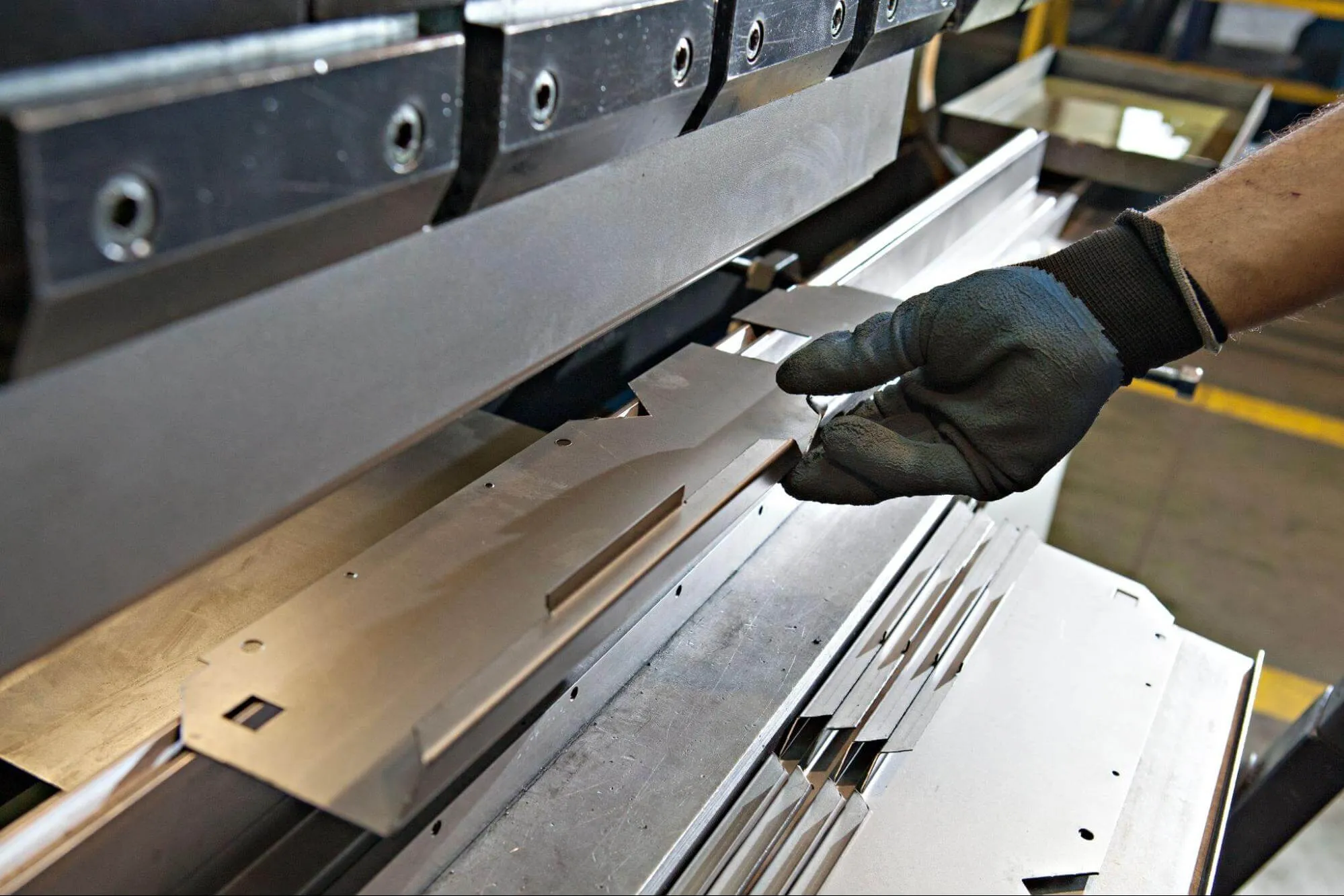
Precision forming minimizes material waste and rework. CNC machines ensure consistent bending angles and dimensions, reducing scrap rates. Lower waste directly translates to cost savings and improved sustainability.
4. Intangible Benefits and Strategic Value
Beyond direct costs and benefits, intangible factors play a crucial role in CBA:
- Flexibility: Ability to handle diverse part geometries and small batches.
- Competitive Advantage: Faster turnaround times and higher quality can attract more clients.
- Safety and Ergonomics: Automated features reduce worker injury risks and improve workplace conditions.
- Technology Integration: Compatibility with Industry 4.0 systems for data analytics and smart manufacturing.
5. Return on Investment (ROI) Calculation
ROI is a critical metric in CBA. It is calculated by comparing net benefits (savings and additional revenue) to the initial investment. A simplified ROI formula for a sheet metal forming machine is:
ROI = (Net Annual Benefits / Total Investment) × 100%
For instance, if a machine costs $200,000 and generates annual net benefits of $50,000, the ROI would be 25% per year. Payback period—the time to recover the investment—is another key indicator.
| Machine Model | Initial Investment | Annual Net Benefits | ROI (Annual) | Payback Period (Years) |
|---|---|---|---|---|
| Standard Hydraulic Press | $150,000 | $30,000 | 20% | 5.0 |
| Advanced CNC System | $300,000 | $75,000 | 25% | 4.0 |
6. Risk Assessment and Sensitivity Analysis
CBA should include risk evaluation, such as market demand fluctuations, technological obsolescence, and maintenance uncertainties. Sensitivity analysis helps understand how changes in key variables (e.g., energy costs, labor rates) impact the overall outcome.
Conclusion
Conducting a thorough cost-benefit analysis for sheet metal forming machines is essential for making informed investment decisions. By evaluating both tangible and intangible factors—from initial costs and operational efficiencies to productivity gains and strategic advantages—manufacturers can select equipment that maximizes profitability and competitiveness. A well-executed CBA not only ensures financial prudence but also supports long-term operational excellence.
