
Hot Stamping Machine: Technology, Process, and Applications
Hot stamping, also known as foil stamping, is a dry printing process that utilizes heat, pressure, and a metallic or pigmented foil to create decorative, reflective, or functional designs on a substrate. At the heart of this versatile technique lies the Hot Stamping Machine. This sophisticated equipment is pivotal across numerous industries, from luxury packaging and book covers to automotive interiors and electronic components. This article delves into the technology, operational process, key components, and diverse applications of modern hot stamping machines.
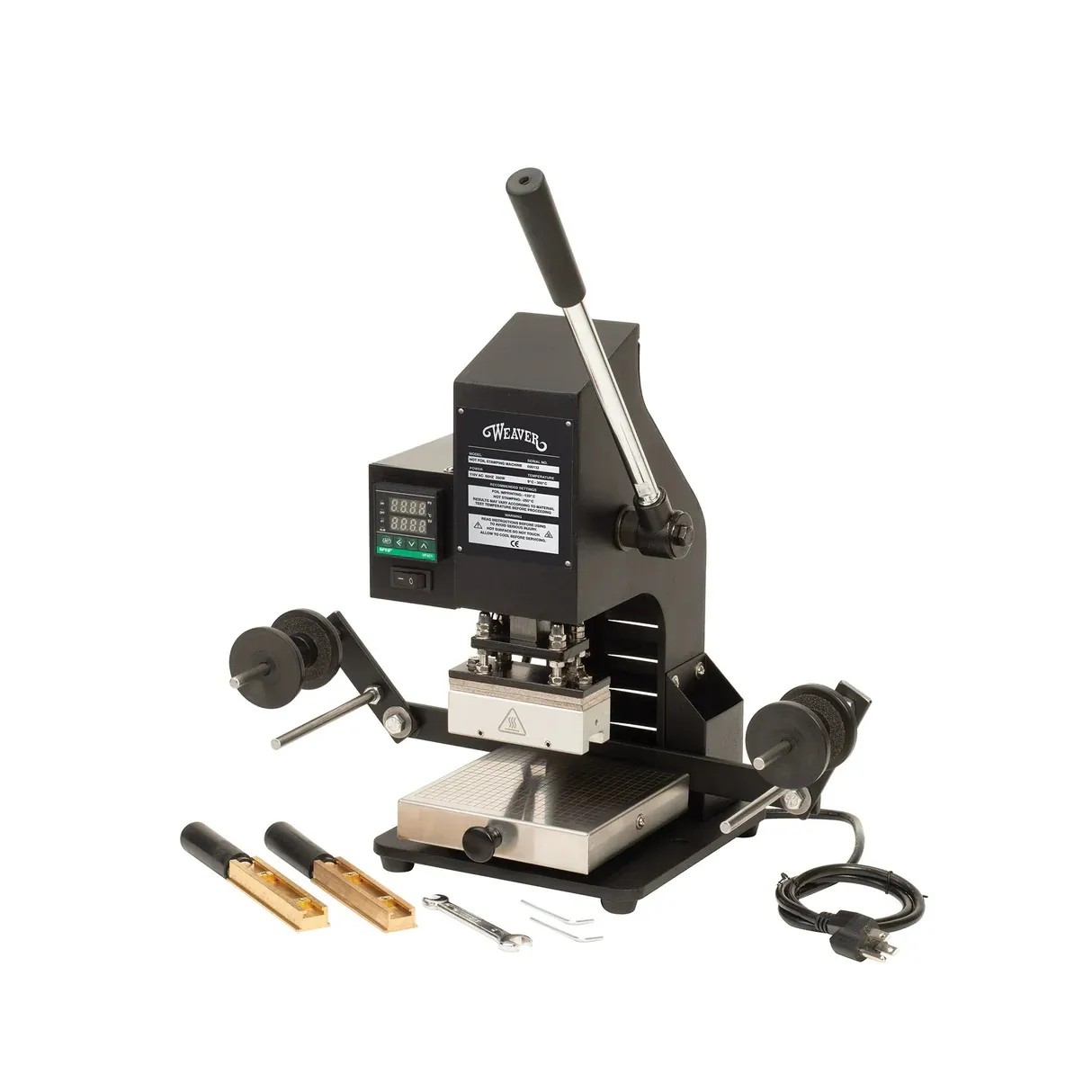
Figure 1: A modern industrial hot stamping machine setup.
1. Core Technology and Working Principle
The fundamental principle of hot stamping is relatively straightforward but requires precise engineering to execute perfectly. The process involves transferring a thin coating from a carrier film (the foil) onto a substrate (like paper, plastic, leather, or cardboard). The machine achieves this through controlled application of heat and pressure.
1.1 The Basic Process Cycle
The standard operational cycle of a hot stamping machine involves four key stages:
- Clamping: The substrate is positioned and held firmly on the machine bed.
- Heating: A metal die (or stamping die), which has the desired design engraved or etched onto it, is heated to a specific temperature.
- Stamping: The heated die is pressed against the substrate with the foil sandwiched in between. The heat activates the adhesive layer on the foil, and the pressure ensures complete transfer.
- Release: The die is retracted. As it cools, the foil's pigmented or metallic layer adheres permanently to the substrate, while the unused carrier film is wound onto a take-up reel.
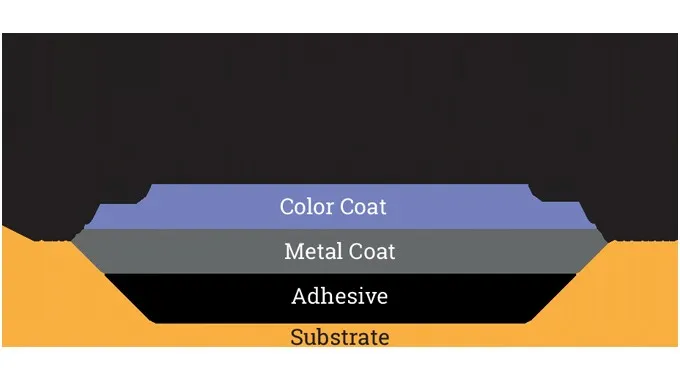
Figure 2: Diagram illustrating the hot stamping transfer process.
2. Key Components of a Hot Stamping Machine
A reliable hot stamping machine is an assembly of several critical components, each playing a vital role in ensuring quality and consistency.
| Component | Function | Material/Type |
|---|---|---|
| Heating System & Die Holder | Heats the stamping die to the required temperature (typically 100°C - 300°C) with high precision and uniformity. | Often uses ceramic heaters or cartridge heaters with PID temperature controllers. |
| Stamping Die | The tool that carries the design to be stamped. It makes direct contact with the foil and substrate. | Made from brass, copper, magnesium, or silicone rubber, depending on application and detail. |
| Foil Feeding System | Unwinds the foil roll and advances it precisely after each stamp to present a fresh section for the next impression. | Consists of unwinder, tension controllers, and a stepper-motor-driven advance mechanism. |
| Pressing Mechanism | Applies the necessary force to ensure complete foil transfer. It must be powerful and perfectly parallel. | Can be pneumatic, hydraulic, or mechanical (toggle). |
| Control Panel (PLC/HMI) | The brain of the machine. Allows operators to set and monitor temperature, pressure, dwell time, and cycle speed. | Modern machines feature Programmable Logic Controllers (PLCs) and Touchscreen Human-Machine Interfaces (HMIs). |
2.1 Types of Hot Stamping Machines
Machines are categorized based on their operation and application:
- Flatbed Stamping Machines: Use a flat die and platen. Ideal for flat or slightly curved surfaces. Common for packaging and labels.
- Roll-on Stamping Machines: Use a rotating cylindrical die to stamp onto a continuous web or sheet. High-speed production for films and papers.
- Vertical vs. Horizontal: Refers to the direction of the stamping head movement. Vertical are common for manual/semi-auto, while horizontal often suit automated lines.
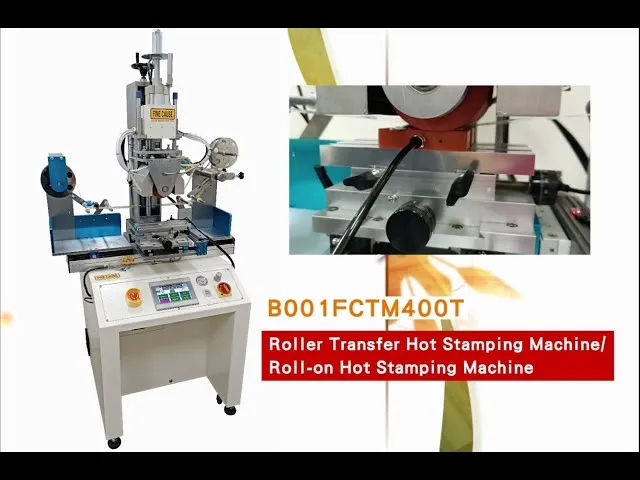
Figure 3: Different machine types: Flatbed (left) and Roll-on (right).
3. Critical Process Parameters for Quality Output
Consistent, high-quality hot stamping requires meticulous control over three main parameters:
- Temperature: Too low, and the foil won't transfer completely; too high, and it may cause foil scorching or substrate damage.
- Pressure: Insufficient pressure leads to weak or patchy transfer; excessive pressure can crush the substrate or cause die wear.
- Dwell Time: The duration the die is in contact with the substrate. Must be optimized for the material and foil type.
The synergy of these factors is often determined through testing and is specific to each job.
4. Applications Across Industries
The hot stamping machine's ability to add durable, high-value decoration and functional markings makes it indispensable.
4.1 Printing and Packaging
The most traditional and widespread use. Creates eye-catching logos, text, and borders on: - Luxury Product Boxes (cosmetics, perfumes, spirits) - Book Covers and Titles - Greeting Cards and Invitations - Labels and Flexible Packaging
4.2 Automotive and Industrial
Here, functionality often meets aesthetics: - Stamping serial numbers, logos, and instructions on plastic components. - Applying conductive traces on touch panels (using special foil). - Decorating interior trim pieces, dashboard components, and gear knobs.
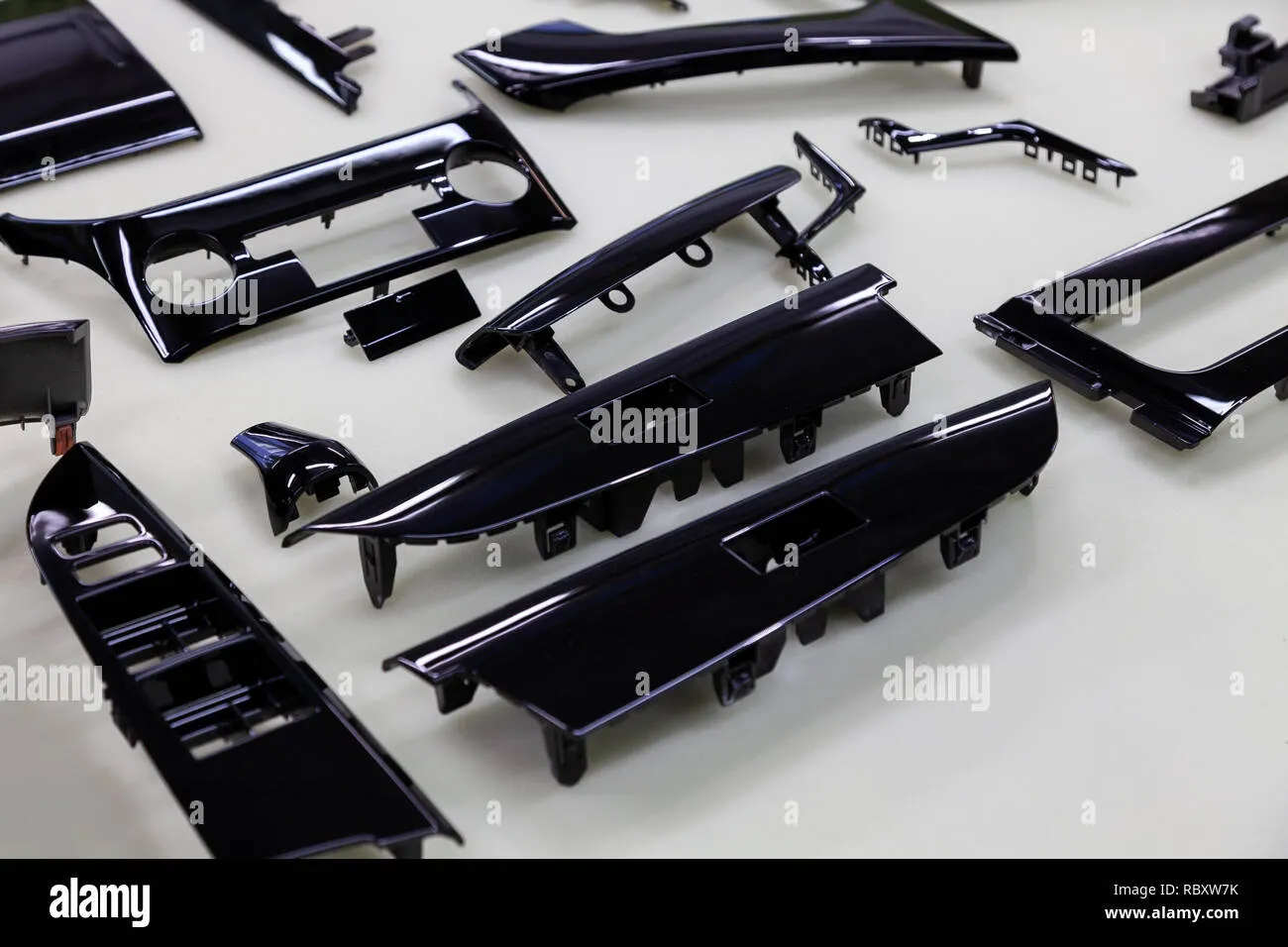
Figure 4: Applications: Cosmetic packaging (left) and automotive interior (right).
4.3 Electronics and Consumer Goods
Used for branding and user interface creation on items like mobile phone cases, appliances, keyboards, and credit cards.
5. Advantages and Considerations
| Advantages | Considerations / Challenges |
|---|---|
| Creates luxurious, high-end metallic and glossy effects. | Initial cost of dies can be high for complex designs. |
| Process is dry and eco-friendly (no solvents or inks). | Not ideal for very large, solid area coverage compared to printing. |
| Impressions are extremely durable, scratch, and fade-resistant. | Requires precise parameter control; skilled operation needed. |
| Can stamp on a wide variety of materials (paper, plastic, leather, etc.). | Each color/effect requires a separate stamping run. |
| Excellent for fine detail and small text. | Speed can be slower than some digital printing processes. |
6. Future Trends and Automation
The future of hot stamping machines is geared towards greater integration, precision, and flexibility. Trends include:
- Increased Automation: Robotic loading/unloading and integration with CNC die-making for quick job changeovers.
- Digital Hot Stamping: Emerging technologies that use digitally controlled heat heads to stamp without a physical die, allowing for variable data.
- Eco-Friendly Foils: Development of biodegradable carrier films and foils to enhance sustainability.
- Enhanced Controls: IoT connectivity for predictive maintenance, remote monitoring, and data analytics for process optimization.
Conclusion
The hot stamping machine remains a cornerstone of decorative and functional surface finishing. Its unique ability to apply durable, high-visibility metallic and colored finishes ensures its continued relevance in a world that values premium aesthetics and product differentiation. From hand-operated presses to fully automated, computer-controlled systems, the evolution of this technology mirrors industrial advancement, balancing timeless craftsmanship with modern precision engineering. Understanding its components, process, and applications is key to leveraging its full potential across manufacturing and creative sectors.
