
In the competitive landscape of modern manufacturing, efficiency is not just a goal—it's a necessity for survival and growth. Among the various technologies driving industrial productivity, roll forming machines stand out as a cornerstone for high-volume, precision metal shaping. This continuous bending process utilizes a series of rolls to progressively shape sheet metal, strip, or coil into a desired cross-sectional profile. The impact of roll forming on manufacturing efficiency is profound, touching upon speed, material utilization, labor costs, and product consistency.
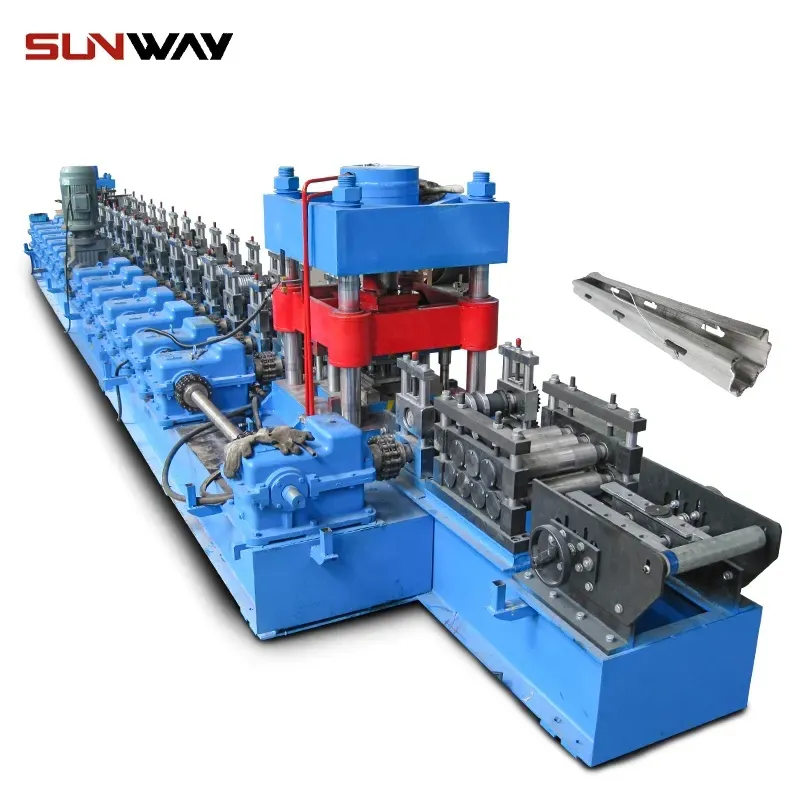
1. Unmatched Production Speed and Throughput
Roll forming is inherently a high-speed process. Once the machine is set up and running, it can produce shaped metal sections at impressive linear speeds, often ranging from 30 to 200 feet per minute. This continuous operation is significantly faster than traditional methods like press braking or stamping, which involve discrete, cyclic actions. The ability to run continuously from a coil of metal minimizes start-stop cycles, drastically increasing overall throughput and allowing manufacturers to meet large-scale orders with shorter lead times.
1.1. Reduction in Secondary Operations
Modern roll forming lines are often integrated with secondary operations. Pre-punching, notching, embossing, and cutting-to-length can be incorporated in-line. This integration transforms a multi-step manufacturing process into a single, seamless operation.
2. Exceptional Material Efficiency and Waste Reduction
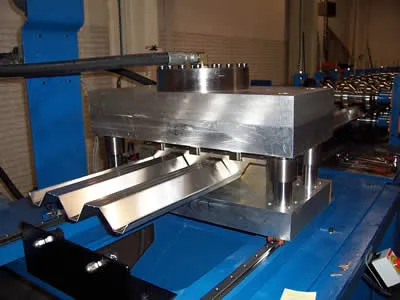
Material cost is a major component of manufacturing expense. Roll forming excels in material utilization. The process works by bending rather than removing material, which inherently minimizes scrap. When combined with precise coil feeding and optimized profile design, scrap rates can be reduced to as low as 1-3%, compared to significantly higher rates in processes like laser cutting or stamping.
| Manufacturing Process | Typical Scrap Rate (%) | Key Factor Influencing Waste |
|---|---|---|
| Roll Forming | 1 - 3% | Coil end remnants, setup trim |
| Stamping | 15 - 30% | Part nesting efficiency on sheet |
| Laser Cutting | 10 - 20% | Kerf width and part nesting |
| Press Braking | 2 - 5% | Sheet size optimization |
3. Consistent, High-Quality Output
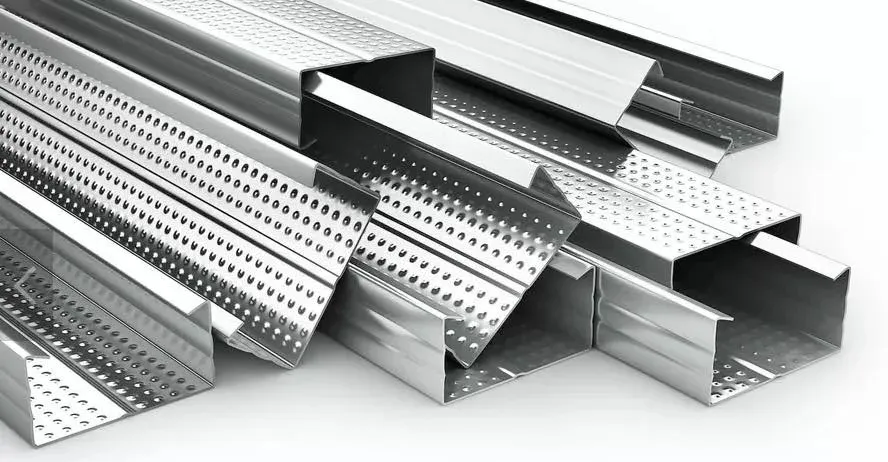
Quality consistency is a direct driver of efficiency, as it reduces rework, rejects, and quality control overhead. Roll forming machines produce parts with exceptional dimensional consistency and repeatability from the first foot to the ten-thousandth foot of production. The tooling (rolls) guides the metal precisely, resulting in uniform profiles with tight tolerances. This consistency is critical in industries like construction and automotive, where components must fit together perfectly in assembly.
3.1. Improved Mechanical Properties
The cold-working nature of the roll forming process can work-harden the material along the bend lines, potentially improving the strength and rigidity of the final product without adding weight or cost.
4. Labor and Operational Cost Savings
Automation is at the heart of roll forming efficiency. A single, automated roll forming line with coil handling, feeding, forming, and cutting requires minimal operator intervention compared to a bank of press brakes each needing an operator. This translates into:
- Reduced Direct Labor: One operator can often manage an entire line.
- Lower Skill Requirements: The process is machine-controlled, reducing dependence on highly skilled press brake operators.
- Decreased Energy Consumption: Continuous motion is often more energy-efficient than the repeated high-power strokes of presses.
5. Flexibility and Quick Changeover Advancements
While traditionally associated with long production runs, advancements in roll forming technology have improved flexibility. Quick-change cartridge systems allow for faster tooling changeovers, making shorter runs more economical. This flexibility enables manufacturers to respond more swiftly to market changes and custom orders without sacrificing efficiency.
| Efficiency Metric | Impact of Roll Forming | Typical Improvement Range |
|---|---|---|
| Production Speed | Continuous high-speed operation | 50% - 300% increase |
| Material Utilization | Minimal scrap from bending process | Scrap reduction of 10-25% |
| Labor Productivity | High automation, one-operator lines | Labor cost reduction of 30-60% |
| Product Consistency | Precision tooling ensures repeatability | Defect rate reduction of 70-90% |
Conclusion
Roll forming machines are a powerful engine for manufacturing efficiency. By delivering high speed, superior material usage, consistent quality, and lower operational costs, they provide a compelling return on investment. As technology evolves with smarter controls, predictive maintenance, and even greater flexibility, the role of roll forming in lean, efficient, and competitive manufacturing will only continue to expand. For any operation involved in producing linear metal products, leveraging roll forming technology is a strategic step towards optimized production and enhanced profitability.
