
How to Stiffen Sheet Metal: A Comprehensive Guide
Sheet metal is a versatile material used in countless applications, from automotive bodies to HVAC systems and custom fabrication projects. However, its thin, flat nature often makes it prone to bending, vibrating, or warping under load. Stiffening sheet metal is a critical process to enhance its structural integrity, reduce flex, and improve durability. This guide explores the most effective methods for stiffening sheet metal, ranging from simple mechanical techniques to advanced manufacturing processes.
Understanding the Need for Stiffening
Before diving into the methods, it's essential to understand why stiffening is necessary. Thin sheet metal lacks inherent rigidity, making it susceptible to:
- Bending and Deformation: Under weight or pressure, unsupported sheet metal can bend permanently.
- Vibration: In dynamic applications (e.g., machinery panels), thin metal can vibrate, causing noise or fatigue cracks.
- Buckling: Compressive forces can cause the metal to buckle unexpectedly.
Stiffening mitigates these issues by increasing the moment of inertia—a measure of resistance to bending—without significantly adding weight or cost.
Mechanical Methods for Stiffening Sheet Metal
These methods involve physically altering the shape of the metal to create structural reinforcements.
1. Adding Bends or Folds
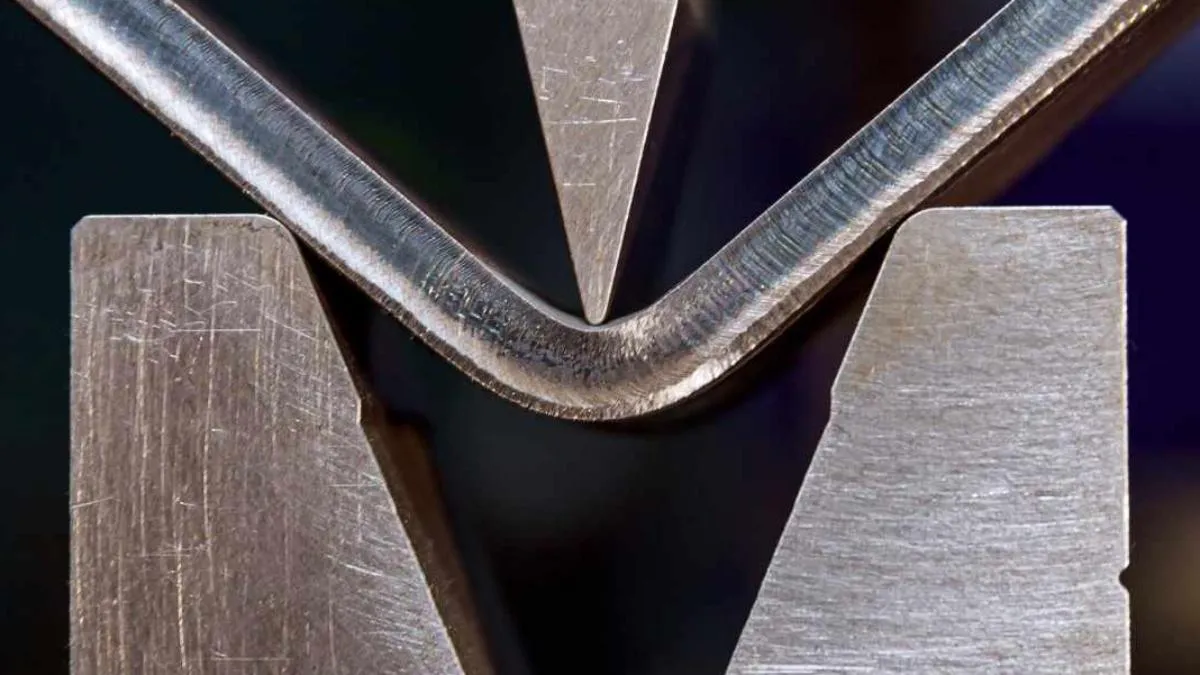
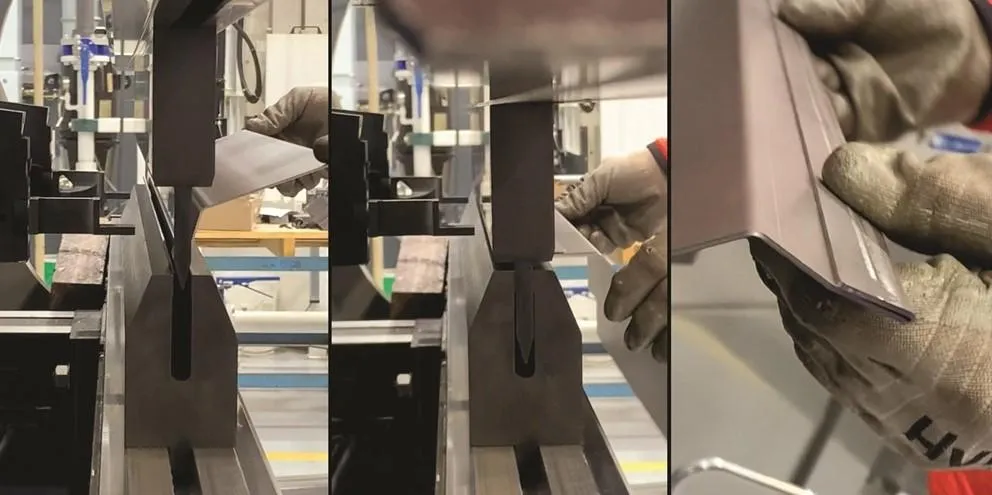
One of the simplest ways to stiffen sheet metal is by introducing bends. A flat sheet has minimal resistance to bending, but when folded into an L-shape (angle iron), U-shape (channel), or even a complex profile, its stiffness increases dramatically. This is because the bend redistributes stress away from the center and increases the section modulus.
- Tools Required: Brake press, folder, or hammer and dolly for manual bending.
- Best For: Edges, flanges, and creating structural components like brackets.
2. Creating Beads or Ribs
Beads are raised ridges or depressions pressed into the metal surface. They act like miniature I-beams, adding significant rigidity with minimal weight gain. This process, often called "beading" or "ribbing," is common in automotive panels and aircraft skins.
- Tools Required: Beading tool, wheeling machine, or stamped with a die.
- Best For: Large, flat surfaces like door panels, hoods, and covers where a smooth appearance is needed.
Material Addition Methods
These techniques involve adding another material to the sheet metal to form a composite structure.
3. Attaching Support Frames
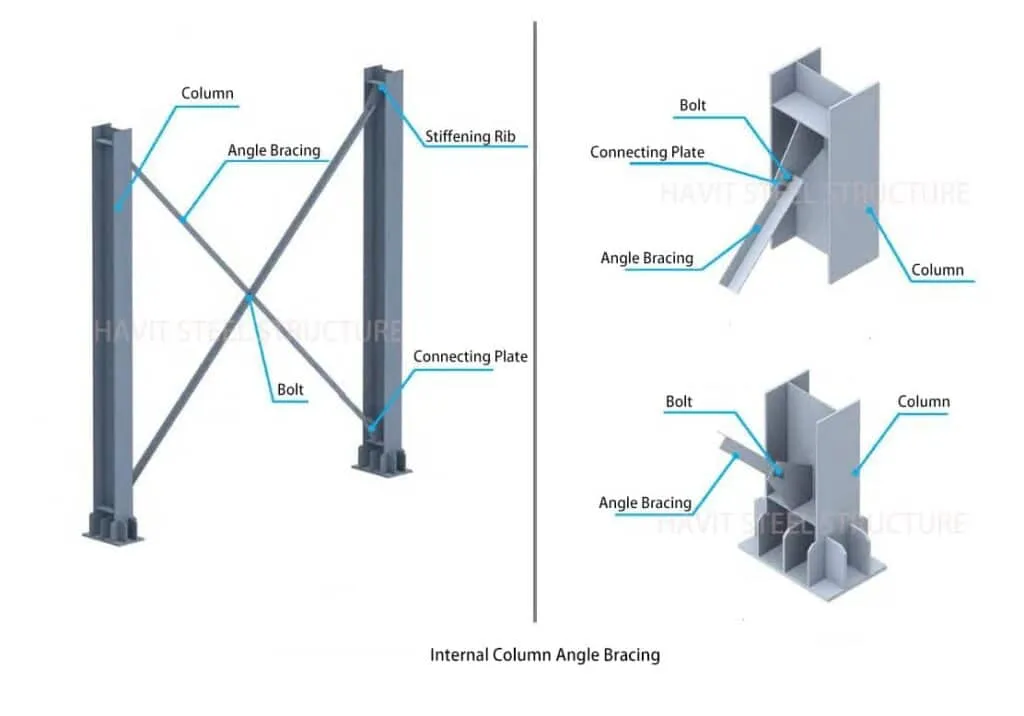
Building a support frame is a highly effective way to stiffen a large panel. Angles, tubes, or custom-fabricated frames are welded, riveted, or bonded to the back of the sheet metal. This transfers loads from the weak panel to the stronger frame.
- Tools Required: Welder, rivet gun, or adhesive applicator.
- Best For: Machine guards, enclosures, and large panels that require high stiffness.
4. Using Adhesives and Composites
Modern engineering adhesives can bond stiffening materials like metal strips, fiberglass, or composite panels to the sheet metal. This creates a damped, composite structure that resists both bending and vibration.
- Materials: High-strength epoxy, polyurethane adhesive, or structural tape.
- Best For: Applications where welding or drilling is undesirable, such as in electronics or finished surfaces.
Thermal and Chemical Methods
These processes change the metallurgical or chemical properties of the metal to enhance its stiffness.
5. Work Hardening
Work hardening, or strain hardening, involves mechanically deforming the metal to increase its strength and stiffness. Techniques like shot peening or hammering introduce dislocations in the metal's crystal structure, making it harder to deform further.
- Considerations: This can make the metal more brittle and may not be suitable for all applications.
- Best For: Small areas or specific components where material properties need localized improvement.
6. Heat Treatment
For certain alloys (e.g., some steels and aluminums), heat treatment can alter their microstructure to increase yield strength. Processes like quenching and tempering can make the metal stiffer and stronger.
- Important: Heat treatment requires precise control and knowledge of the specific alloy to avoid warping or weakening.
- Best For: High-performance applications where material properties are critical.
Choosing the Right Method: A Comparison Table
The best stiffening method depends on your project's requirements, including cost, tools available, weight constraints, and desired aesthetics. The following table provides a quick comparison to help you decide.
| Method | Relative Cost | Difficulty | Weight Added | Best Application |
|---|---|---|---|---|
| Adding Bends | Low | Low-Medium | Very Low | Edges, brackets, simple shapes |
| Creating Beads | Medium | Medium | Minimal | Large flat panels (auto, aerospace) |
| Support Frames | Medium-High | High | High | Enclosures, machine bases, structural parts |
| Adhesives/Composites | Medium | Low-Medium | Low-Medium | Non-weldable materials, vibration damping |
| Work Hardening | Low | High (Skill-wise) | None | Localized strengthening |
| Heat Treatment | High | High (Equipment) | None | High-performance components |
Conclusion
Stiffening sheet metal is a fundamental skill in metalworking that transforms a flimsy panel into a strong, functional component. Whether you choose the simplicity of adding a bend, the elegance of a beaded pattern, or the robustness of a welded frame, understanding the principles behind each method is key to a successful project. Always consider the trade-offs between cost, weight, and complexity to select the most appropriate technique for your specific needs. By applying these methods correctly, you can ensure your sheet metal creations are rigid, durable, and fit for purpose.
