
Hydraulic Deep Drawing Press Machines in India: A Comprehensive Guide
The Indian manufacturing landscape has undergone a remarkable transformation, evolving into a global hub for precision engineering and heavy-duty production. At the heart of this evolution, particularly in sectors like automotive, aerospace, appliances, and defense, lies a critical piece of equipment: the Hydraulic Deep Drawing Press Machine. These machines are indispensable for forming complex, seamless, and high-strength metal components from sheet metal blanks. This article delves into the technology, applications, market dynamics, and key players shaping the domain of hydraulic deep drawing presses in India.
Understanding Hydraulic Deep Drawing Press Technology
Deep drawing is a sheet metal forming process where a flat blank is radially drawn into a forming die by the mechanical action of a punch, creating a three-dimensional shape like a cup, cylinder, or complex box. Hydraulic presses utilize fluid power to generate the immense, controlled force required for this process.
Figure 1: A modern hydraulic deep drawing press in an Indian manufacturing unit, showcasing integration with automation for feeding.
Core Working Principle
Unlike mechanical presses that use a flywheel and crank mechanism, hydraulic deep drawing presses operate on Pascal's law. A hydraulic pump driven by an electric motor pressurizes oil, which is then directed to hydraulic cylinders. This pressurized oil acts on pistons within the cylinders to generate a linear force on the ram or slide. The key advantage is the ability to deliver full press force at any point in the stroke, providing exceptional control over the forming speed and pressure.
Key Features and Advantages
Hydraulic deep drawing presses offer distinct benefits that make them suitable for India's diverse and quality-conscious manufacturing sector:
- Infinitely Variable Force and Speed Control: Operators can precisely adjust tonnage and slide velocity, crucial for drawing delicate or complex parts without tearing.
- Full Tonnage Throughout the Stroke: Ensures consistent forming depth and quality, even for deep draws.
- Overload Protection: Built-in safety valves prevent machine damage from accidental overloading.
- Flexibility: Easily adaptable to different die sets and job changes, ideal for batch production common in India.
- Durability and Lower Maintenance: Robust construction with fewer moving parts than mechanical presses leads to higher uptime.
Applications in Key Indian Industries
The versatility of hydraulic deep drawing presses finds application across a spectrum of Indian industries:
| Industry | Typical Components Produced | Press Tonnage Range (Typical) |
|---|---|---|
| Automotive | Fuel tanks, silencer covers, oil pans, wheel rims, body panels. | 200 - 2000 Tons |
| Aerospace & Defense | Missile cones, engine casings, hemispherical domes, structural parts. | 500 - 5000+ Tons |
| Kitchenware & Appliances | Sinks, pressure cooker bodies, utensil pots, washing machine tubs. | 100 - 800 Tons |
| Industrial & Capital Goods | Electrical enclosures, motor housings, compressor parts, cylinders. | 150 - 1500 Tons |
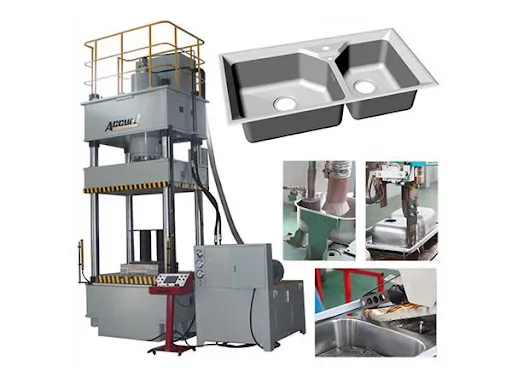
Figure 2: Precision deep-drawn components, such as kitchen sinks, are a common output of these presses.
The Indian Market: Manufacturers and Trends
India boasts a mix of domestic manufacturers and international players providing hydraulic deep drawing presses. The market is driven by the "Make in India" initiative, rising automotive production, and infrastructure development.
Leading Domestic Manufacturers
Several Indian companies have established strong capabilities in designing and building robust hydraulic presses:
- Larsen & Toubro (L&T): A heavyweight in engineering, manufacturing large-capacity custom presses for defense and aerospace.
- Bhilai Engineering Corporation (BEC): Known for heavy-duty presses used in railway and structural applications.
- Ajey Industries: Specializes in a wide range of hydraulic presses for medium to heavy-duty deep drawing.
- Many MSMEs: A vibrant ecosystem of smaller manufacturers in hubs like Rajkot, Coimbatore, and Delhi NCR offers cost-effective solutions for standard applications.
Technology Trends Shaping the Future
To stay competitive, the latest presses in India incorporate advanced features:
- CNC and PLC Control: For automated, repeatable cycles with programmable parameters.
- IoT and Industry 4.0: Integration of sensors for predictive maintenance, energy monitoring, and production data analytics.
- Servo-Hydraulic Technology: Combining the power of hydraulics with the precision and energy efficiency of servo motors.
- Tooling Innovations: Use of advanced die materials and coatings to improve component finish and tool life.
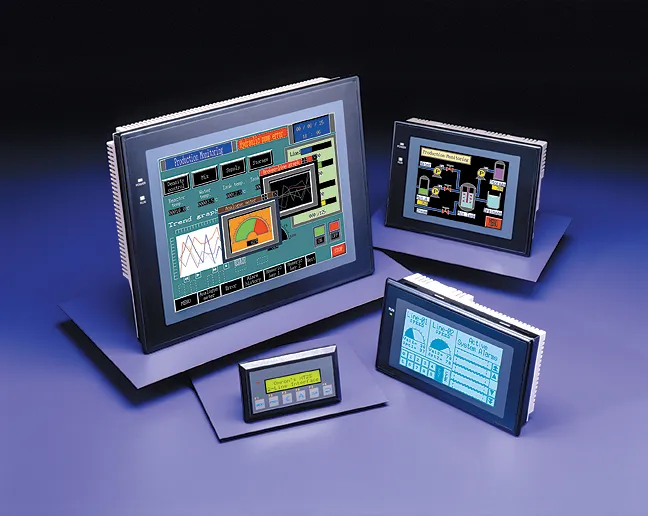
Figure 3: Modern PLC-based control systems enable precise and automated operation of hydraulic deep drawing presses.
Considerations for Procurement in India
When sourcing a hydraulic deep drawing press in India, buyers must evaluate:
- Capacity (Tonnage) and Bed Size: Must match the largest and most complex part to be formed.
- Stroke Length and Daylight: Critical for the depth of draw and tool handling.
- Control System: Level of automation required (manual, semi-automatic, fully automatic).
- After-Sales Support: Availability of local service, spare parts, and technical expertise is paramount.
- Compliance: Adherence to Indian and international safety standards.
Summary
The hydraulic deep drawing press machine is a cornerstone of India's advanced manufacturing capabilities. Its unparalleled control, force, and flexibility make it ideal for producing high-integrity components across vital industries. The Indian market offers a robust mix of domestic and international suppliers, with technology rapidly advancing towards automation and smart manufacturing. For any Indian manufacturer involved in metal forming, investing in the right hydraulic deep drawing press is an investment in precision, quality, and future growth, solidifying India's position on the global manufacturing map.
