
Manual vs. Hydraulic Bending Machines: Which is Better?
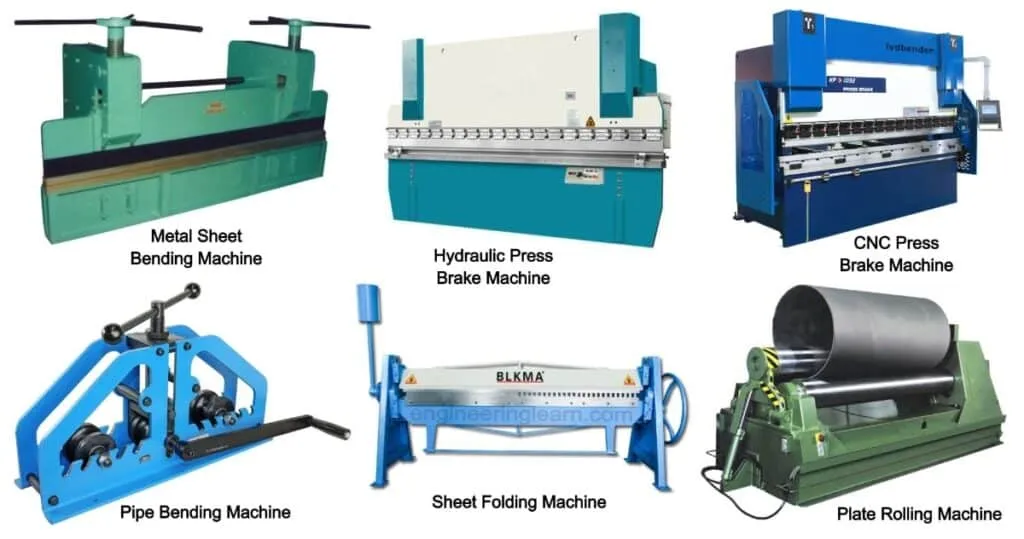
In the metalworking industry, bending machines are essential tools for shaping metal sheets, tubes, and bars. Two common types are manual and hydraulic bending machines. Each has its advantages and limitations, making the choice between them dependent on factors like production volume, precision requirements, and budget. This article provides a comprehensive comparison to help you decide which machine is better suited for your needs.
What Are Manual Bending Machines?
Manual bending machines are operated by hand, using levers, screws, or other mechanical means to apply force and bend materials. They are simple in design, requiring no external power source, and are often used for low-volume projects or in workshops with limited resources.
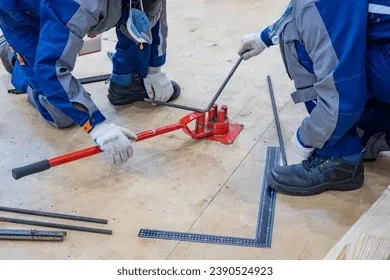
Key Features of Manual Bending Machines
- Human-powered operation
- Lower initial cost
- Portability and ease of use
- Suitable for thin materials and simple bends
What Are Hydraulic Bending Machines?
Hydraulic bending machines use hydraulic cylinders to generate high pressure, enabling them to bend thicker and harder materials with minimal effort from the operator. These machines are ideal for high-volume production and complex bending tasks.
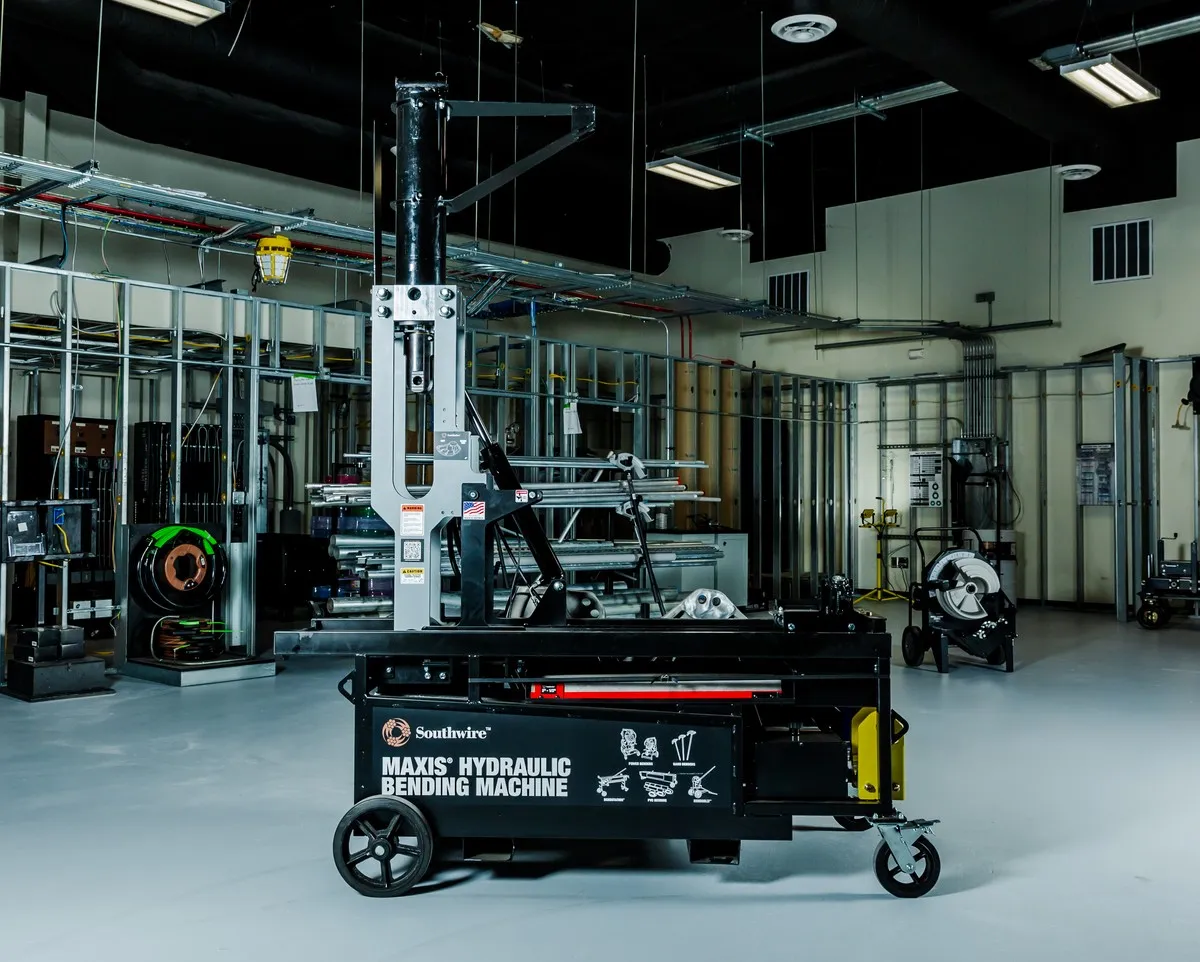
Key Features of Hydraulic Bending Machines
- Powered by hydraulic systems
- Higher precision and repeatability
- Ability to handle heavy-duty materials
- Often integrated with CNC controls for automation
Comparison Table: Manual vs. Hydraulic Bending Machines
| Feature | Manual Bending Machine | Hydraulic Bending Machine |
|---|---|---|
| Cost | Lower initial investment | Higher initial cost |
| Operation | Hand-operated | Hydraulic-powered |
| Precision | Moderate, depends on operator skill | High, with consistent results |
| Material Thickness | Best for thin to medium materials | Capable of bending thick and hard materials |
| Production Volume | Low to medium | High volume and continuous use |
| Maintenance | Minimal maintenance required | Regular maintenance needed for hydraulic systems |
Advantages and Disadvantages
Manual Bending Machines
Advantages:
- Affordable and cost-effective for small businesses
- Easy to transport and set up
- Low maintenance costs
Disadvantages:
- Limited to less demanding applications
- Requires physical effort, leading to operator fatigue
- Lower precision compared to hydraulic machines
Hydraulic Bending Machines
Advantages:
- High power and capability for heavy-duty tasks
- Superior accuracy and repeatability
- Efficient for large-scale production
Disadvantages:
- Higher upfront and maintenance costs
- Requires more space and infrastructure
- Complex operation may need trained personnel
Which One Should You Choose?
The decision between manual and hydraulic bending machines depends on your specific requirements:
- Choose a manual bending machine if: You have a limited budget, work with thin materials, or need a portable solution for occasional use.
- Choose a hydraulic bending machine if: You require high precision, handle thick materials, or operate in a high-volume production environment.
Conclusion
Both manual and hydraulic bending machines have their place in metalworking. Manual machines offer simplicity and affordability, while hydraulic machines provide power and precision. By evaluating your production needs, material types, and budget, you can select the machine that best enhances your workflow and productivity.
