
The manufacturing landscape is undergoing a profound transformation, driven by advancements in powder metallurgy. At the heart of this revolution lies the powder compacting press—a sophisticated machine that has redefined the efficiency, precision, and sustainability of metal parts production. Unlike traditional machining methods that subtract material, powder compacting is an additive process that forms complex components directly from metal powders, minimizing waste and maximizing material utilization.
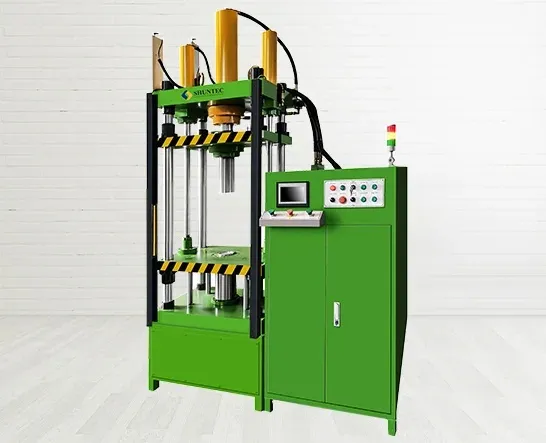
How Powder Compacting Presses Work
The process begins with finely graded metal powder, often alloys of iron, copper, or stainless steel, which is fed into a precision die cavity. The press then applies immense pressure—typically ranging from 10 to 80 tons per square inch—to compact the powder into a coherent "green" part. This compacted form holds its shape but lacks final strength. Subsequent sintering in a controlled atmosphere furnace bonds the powder particles metallurgically, resulting in a dense, strong component ready for finishing or use.
Key Components of a Modern Press
Contemporary powder compacting presses integrate several critical subsystems:
- Feeding System: Precisely meters powder into the die.
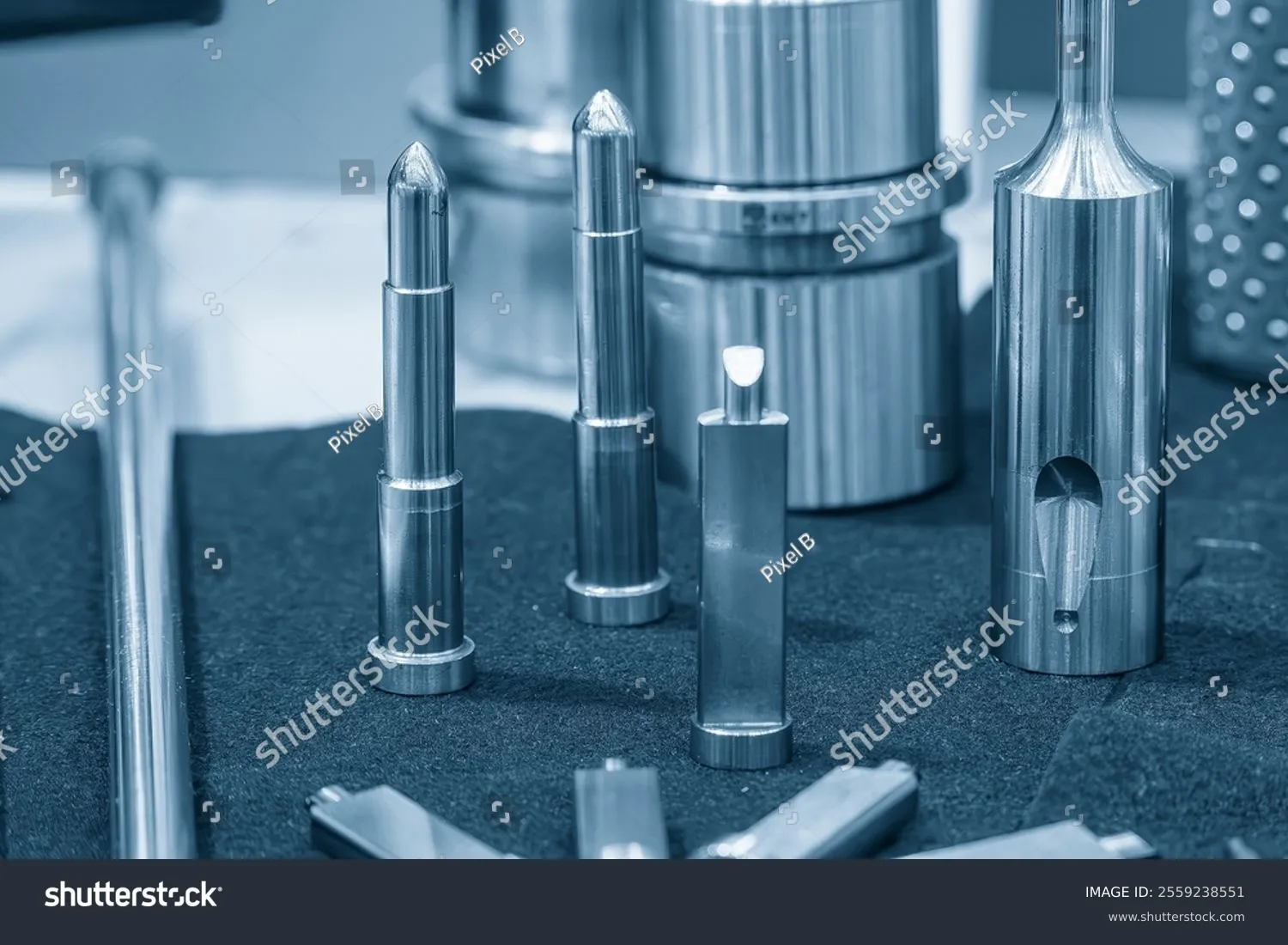
- Tooling & Die Set: High-wear-resistant molds defining part geometry.
- Compaction Mechanism: Hydraulic, mechanical, or hybrid systems delivering controlled force.
- Control Unit: CNC systems ensuring repeatability and monitoring process parameters.
- Ejection System: Safely removes the compacted part from the die.
Advantages Over Conventional Manufacturing
Powder compacting presses offer unparalleled benefits, making them indispensable in industries like automotive, aerospace, medical devices, and consumer electronics.
| Parameter | Powder Compacting Press | Traditional Machining (e.g., CNC) |
|---|---|---|
| Material Waste | < 5% (Near-net-shape) | 20-50% (Subtractive) |
| Production Speed for Complex Parts | High (Single press cycle) | Lower (Multiple operations) |
| Dimensional Accuracy | ±0.1% or better | ±0.05% (Post-finishing often needed) |
| Ability for Internal Features | Excellent (Integral shapes) | Limited (Requires assembly) |
| Energy Consumption | Relatively Lower | Higher per part |
Economic and Environmental Impact
The near-net-shape capability drastically reduces raw material needs and machining time, lowering per-unit costs significantly for high-volume runs. Environmentally, the process aligns with circular economy principles by allowing easy recycling of scrap powder and reducing energy-intensive melting and forging steps.
Technological Innovations and Future Trends
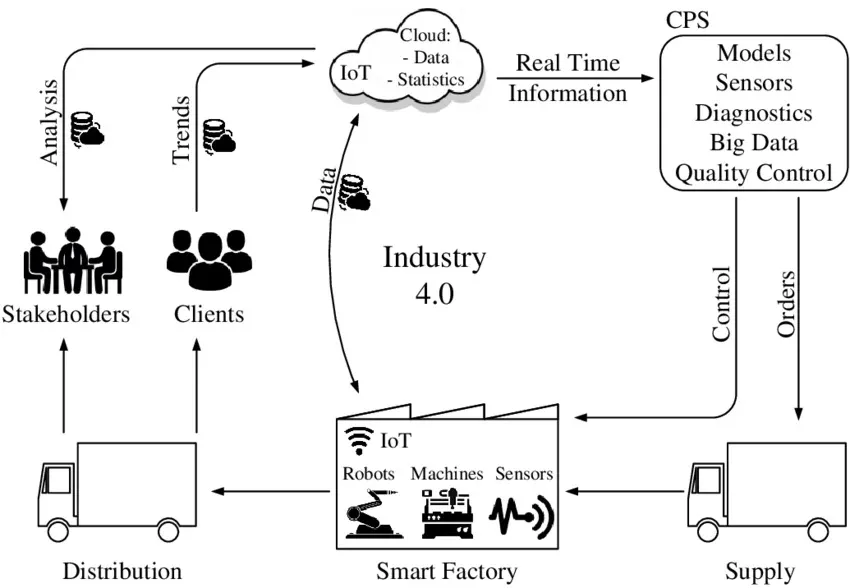
Recent innovations include isostatic pressing (CIP/HIP) for uniform density, integration of real-time sensors for quality assurance, and the adoption of Industry 4.0 connectivity for predictive maintenance. The emergence of additive manufacturing hybrid systems, where powder pressing is combined with 3D printing layers, opens new frontiers for ultra-complex, graded-material components.
Applications Across Industries
From high-strength, lightweight gears in electric vehicles to porous, biocompatible implants in dentistry, the versatility of powder compacting presses is vast. Their ability to produce parts with controlled porosity or composite structures (e.g., metal-ceramic blends) enables functionalities impossible with casting or forging.
Conclusion
The powder compacting press is no longer just an alternative manufacturing tool; it is a cornerstone of modern, sustainable industrial production. By delivering exceptional material efficiency, design freedom, and cost-effectiveness, it empowers engineers to innovate boldly. As materials science and digital control advance, these presses will continue to push the boundaries of what is possible in metal part fabrication, solidifying their role as a true game-changer in the global manufacturing arena.
