
The automotive industry is a cornerstone of modern manufacturing, characterized by its relentless pursuit of efficiency, precision, and innovation. At the heart of producing the complex metal components that form the skeleton of every vehicle lies a critical technology: the roll forming machine. This continuous bending process is indispensable for creating high-strength, consistent, and cost-effective profiles that meet the rigorous demands of automotive design and safety standards.
Fundamentals of Roll Forming Technology
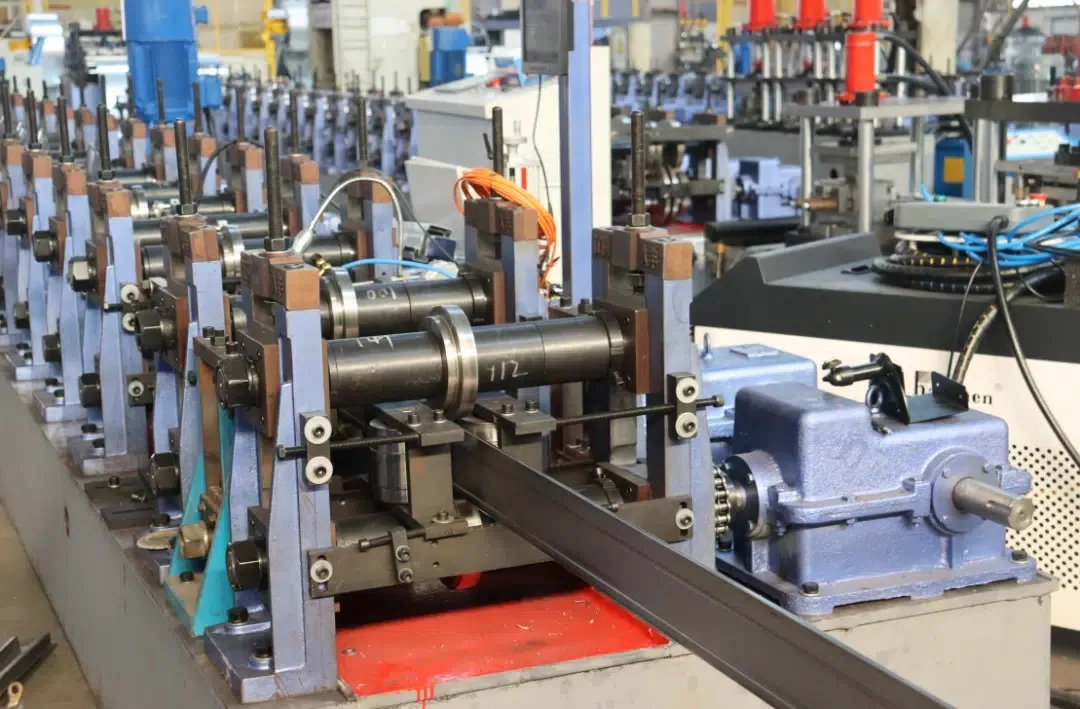
Roll forming is a progressive metal forming process where a long strip of sheet metal, typically coiled steel or aluminum, is passed through a series of roller dies. Each set of rollers incrementally bends the metal until the desired cross-sectional profile is achieved. Unlike stamping or punching, roll forming is a continuous, high-speed process ideal for creating long, uniform parts with complex geometries and excellent dimensional consistency.
Key Advantages for Automotive Manufacturing
The adoption of roll forming in the automotive sector is driven by several compelling benefits that align perfectly with industry needs.
Superior Strength and Lightweighting
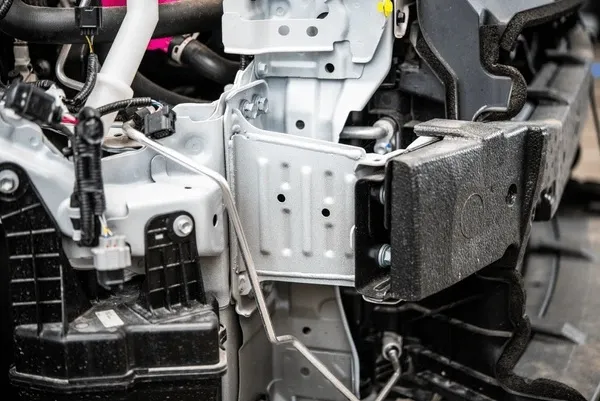
Modern vehicles require a delicate balance between strength and weight. Roll forming allows for the use of high-strength steels (HSS) and advanced high-strength steels (AHSS) without compromising formability. The cold-working process can enhance the mechanical properties of the metal, enabling the production of lighter yet stronger components crucial for fuel efficiency and crash safety.
High-Speed Production and Cost Efficiency
Once set up, a roll forming line can operate at remarkable speeds, producing components with minimal material waste. This efficiency translates directly into lower per-part costs, a vital factor in the highly competitive automotive market. The process is highly automated, reducing labor costs and ensuring consistent quality across high-volume production runs.
Primary Applications in Vehicle Construction
Roll-formed components are ubiquitous in modern vehicles, found in both structural and aesthetic elements.
| Vehicle System | Roll-Formed Components | Material Typically Used |
|---|---|---|
| Body Structure & Frame | Door beams, roof rails, side impact bars, bumper reinforcements, seat frames, cross-members | High-Strength Steel (HSS), Advanced High-Strength Steel (AHSS) |
| Chassis & Underbody | Longitudinal rails, chassis components, suspension parts | High-Strength Low-Alloy (HSLA) Steel |
| Interior & Exterior Trim | Window guides, beltline reinforcements, decorative trim, sunroof frames | Aluminum, Pre-coated Steel |
| Powertrain & Electrical | Battery enclosures for EVs, structural battery supports, exhaust components | Aluminum, Stainless Steel |
Enabling Electric Vehicle (EV) Innovation
The shift towards electric mobility has further elevated the importance of roll forming. It is instrumental in manufacturing the robust, lightweight battery enclosures and structural supports that protect EV battery packs. The precision of roll forming ensures these critical safety components meet stringent sealing and durability requirements.
Technological Integration and Future Trends
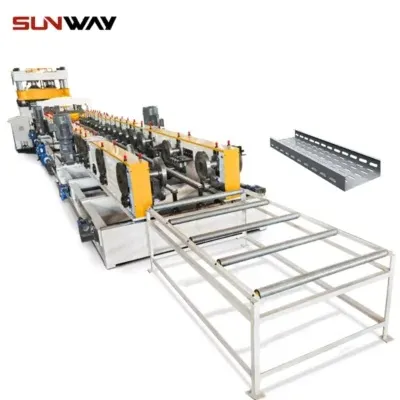
Modern roll forming lines are not standalone machines but integrated into sophisticated manufacturing systems. They are often combined with pre-piercing, cutting, and welding stations to create complete sub-assemblies in a single pass. The future points towards even greater integration with robotics and IoT (Internet of Things) for real-time monitoring and adaptive control, pushing the boundaries of precision and flexibility.
Challenges and Considerations
While highly advantageous, roll forming requires significant upfront investment in tooling and line setup. It is most economical for long production runs. Furthermore, designing the progressive roll tooling demands high expertise to ensure the metal flows correctly without defects, requiring close collaboration between automotive engineers and roll forming specialists.
Conclusion
Roll forming machines are unsung heroes in the automotive industry. They provide the technological backbone for manufacturing the strong, lightweight, and complex metal profiles that define contemporary vehicle architecture. As the industry continues to evolve towards electric vehicles, increased safety, and greater sustainability, the precision, efficiency, and versatility of roll forming will remain indispensable, driving innovation from the chassis up.
