
Understanding Progressive Die Press Price: A Comprehensive Guide
In the world of high-volume metal stamping and manufacturing, the progressive die press stands as a cornerstone technology. It enables the rapid, sequential forming of complex parts from coil stock in a single, automated press cycle. However, the decision to invest in such a system is heavily influenced by its price, which is not a single figure but a composite of multiple variables. Understanding the breakdown of progressive die press price is crucial for making an informed capital investment that aligns with production goals and financial planning.
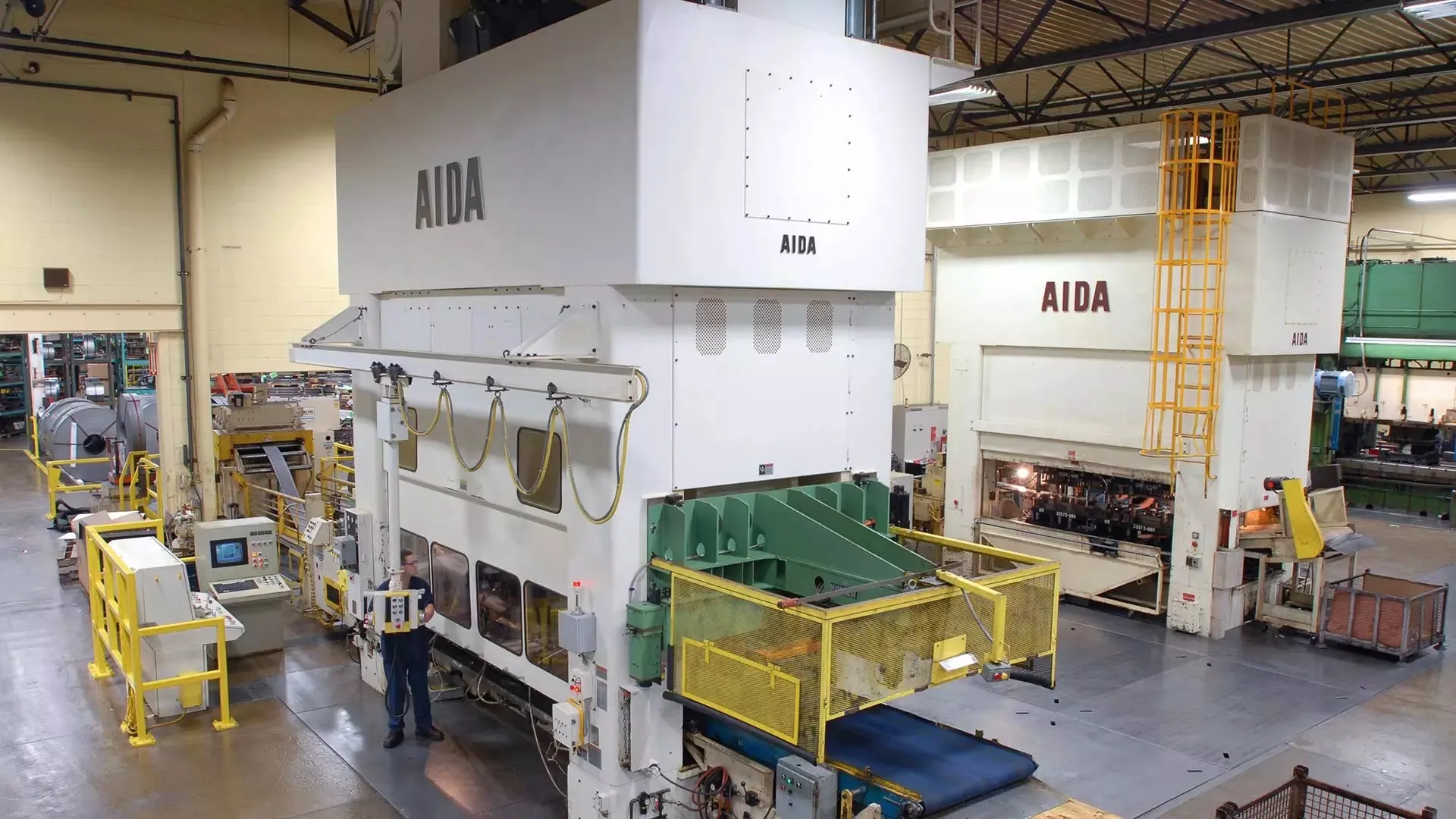
A modern progressive die press performing high-speed stamping operations.
Primary Components of Progressive Die Press Cost
The total price of a progressive die press system is typically divided into two major segments: the press machine itself and the progressive die tooling. These components are interdependent, and their costs can vary dramatically based on specifications.
1. The Press Machine
The press is the powerhouse. Its price is determined by its capacity, features, and brand. Key specifications include tonnage (ranging from 20 to 2000+ tons), bed size, stroke length, speed (strokes per minute), and level of automation. A basic mechanical press will cost significantly less than a servo-driven press offering superior control, energy efficiency, and flexibility.
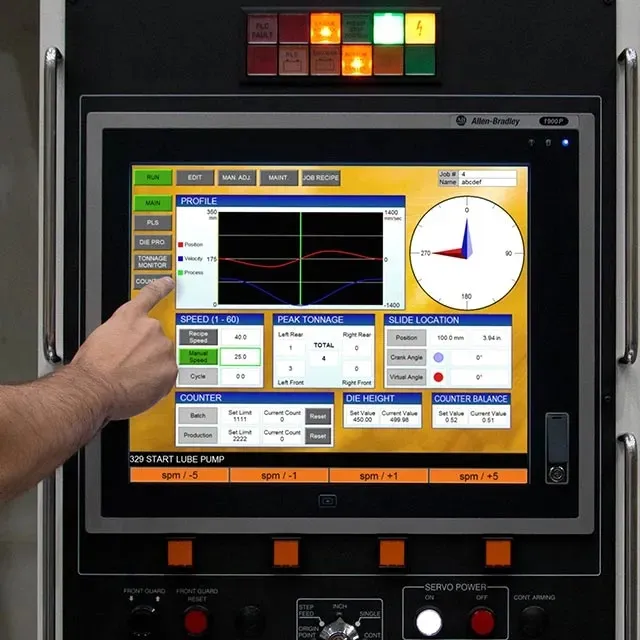
Servo-driven presses offer precision control but impact the overall press price.
2. The Progressive Die Tooling
This is the custom-built, precision component that defines the part to be manufactured. Die cost is often the most surprising and variable element. It is influenced by part complexity, material type, tolerances, number of stations, and the quality of materials used in the die itself (e.g., standard vs. hardened tool steels). A simple bracket die may cost tens of thousands of dollars, while a complex, multi-stage die for an electronic connector can run into hundreds of thousands.
Detailed Cost Factor Breakdown
The following table outlines the core factors influencing the progressive die press price, providing a clearer picture of where capital is allocated.
| Cost Category | Key Factors | Price Impact Range | Considerations |
|---|---|---|---|
| Press Machine | Tonnage, Bed Size, Drive Type (Mechanical/Servo), Speed, Automation (Feeder, Destacker), Brand/Origin | $50,000 - $1,000,000+ | Higher tonnage and servo drives increase cost but expand capability and efficiency. |
| Progressive Die | Part Complexity, Tolerances, Number of Stations, Die Material (Steel Quality), Lifespan Requirements | $20,000 - $500,000+ | Complex geometries and tight tolerances require intricate die design and machining. |
| Ancillary Equipment | Coil Reel, Straightener, Feeder, Scrap Choppers, Safety Enclosures, Sound Damping | $10,000 - $100,000+ | Essential for a complete, safe, and efficient production cell. |
| Installation & Setup | Foundation, Rigging, Electrical Hookup, Plumbing, Initial Calibration | $5,000 - $50,000+ | Often overlooked but critical for optimal performance and safety. |
| Ongoing Costs | Maintenance, Tool Sharpening/Repair, Energy Consumption, Operator Training | Variable (Annual) | Servo presses can reduce energy costs; die maintenance is a recurring expense. |
New vs. Used Equipment: A Price vs. Risk Analysis
A significant price differential exists between new and used progressive die presses. While a used press can offer immediate cost savings of 30-60%, it carries risks: unknown maintenance history, potential obsolescence, limited warranty, and higher initial downtime for refurbishment. A new press provides the latest technology, full warranty, energy efficiency, and often includes manufacturer training and support, justifying its higher initial progressive die press price for long-term, high-volume production.

Evaluating the trade-offs between new and used press equipment is a key financial decision.
Total Cost of Ownership (TCO) Perspective
The savvy manufacturer looks beyond the initial invoice price. The Total Cost of Ownership (TCO) provides a more accurate financial picture over the asset's lifespan. TCO includes:
- Initial Purchase Price: Press, die, and ancillary equipment.
- Operational Costs: Energy, labor, consumables.
- Maintenance & Repair Costs: Scheduled servicing and unexpected breakdowns.
- Downtime Costs: Lost production due to machine or tooling failure.
- Disposal/Resale Value: Residual value at end of life.
Investing in a higher-quality, more reliable system (press and die) often results in a lower TCO, despite a higher initial progressive die press price, due to reduced downtime, higher part quality, and greater longevity.
Key Takeaway: Price vs. Value
The cheapest progressive die press system is rarely the most cost-effective. The true value lies in a system that reliably produces high-quality parts at the required volume with minimal downtime. An upfront investment in robust tooling and a capable press translates directly into lower cost-per-part, which is the ultimate metric for profitability in stamping operations.
Getting an Accurate Quote
To obtain a meaningful quote for a progressive die press system, be prepared to provide suppliers with detailed information: part prints/3D models, annual volume requirements, target production rate, material specifications, and quality standards. This allows them to specify the correct press tonnage, design the appropriate die, and provide a comprehensive price that includes all necessary components.
In conclusion, the progressive die press price is a multifaceted calculation blending capital equipment and custom tooling costs. A thorough analysis of production needs, coupled with a TCO approach, will guide manufacturers toward an investment that optimizes long-term productivity and return on investment, ensuring the progressive die press becomes a driver of competitive advantage rather than just a line item on a budget.
