
Understanding TRUMPF Bending Machine Price: A Comprehensive Guide
When investing in industrial sheet metal fabrication equipment, the price of a TRUMPF bending machine is a primary consideration for manufacturers worldwide. TRUMPF, a German leader in industrial machinery, is synonymous with high precision, innovation, and durability. Consequently, the cost of their bending machines reflects this premium positioning. This article delves into the key factors that determine the price range, helping you understand the value proposition behind the investment.
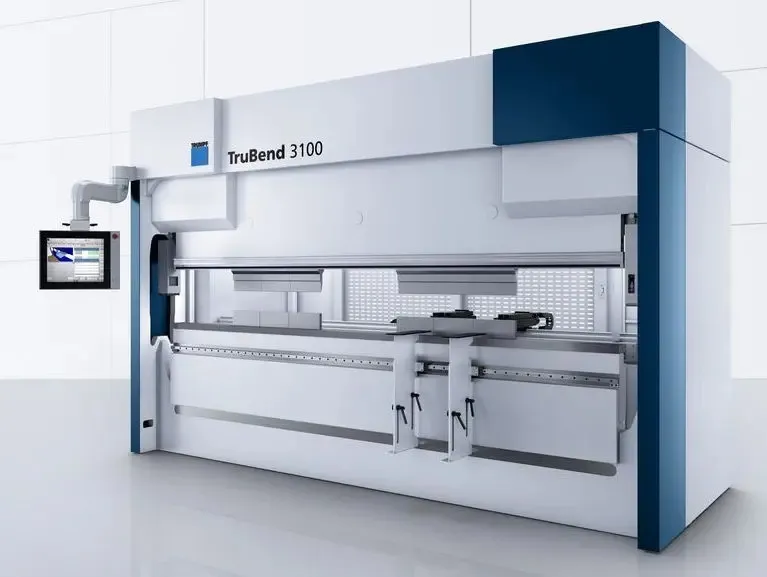
A TRUMPF press brake operating in a precision manufacturing environment.
Primary Factors Influencing TRUMPF Bending Machine Price
The price of a TRUMPF bending machine, or press brake, is not a single figure but a spectrum influenced by a combination of technical specifications, technological features, and market factors.
1. Machine Type and Bending Technology
TRUMPF offers different bending technologies, each with a distinct price point. Conventional hydraulic press brakes are often at a lower entry point. In contrast, fully electric servo-electric press brakes command a higher price due to their energy efficiency, speed, and precision. The top-tier are hybrid or fully automated bending cells, which integrate robotics and are priced as complete system solutions.
2. Tonnage and Working Length
The core physical capabilities of the machine directly impact cost. Higher tonnage (e.g., 100 tons vs. 500 tons) allows for bending thicker materials and requires a more robust frame, increasing price. Similarly, a longer working length (e.g., 3 meters vs. 6 meters) to handle larger sheets adds significantly to the machine's size, components, and final cost.
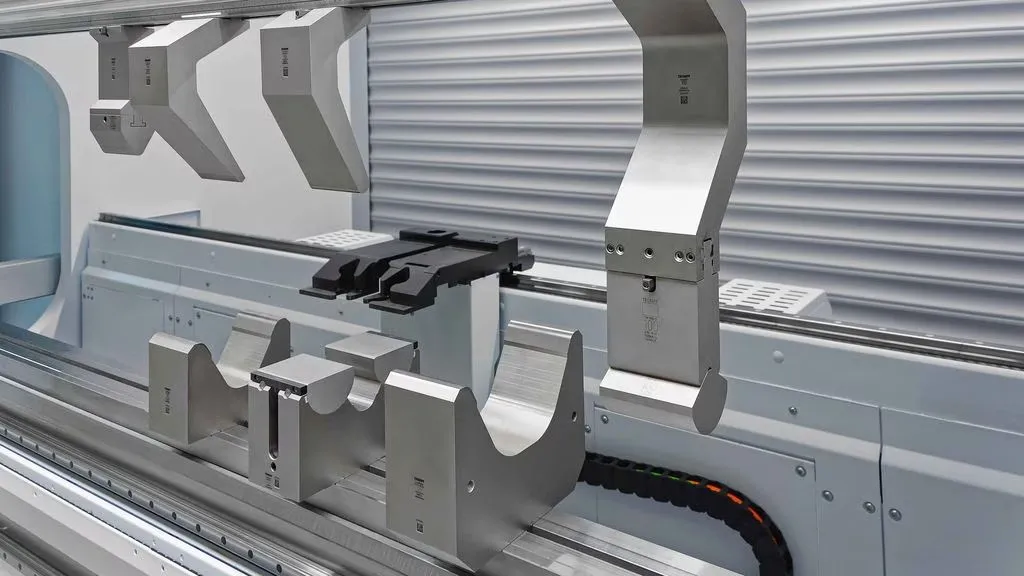
High-precision bending achieved with advanced TRUMPF tooling and control.
3. Level of Automation and Control System
This is a major price differentiator. A basic machine with manual back gauges is less expensive. Prices rise substantially with automated back gauges, CNC controls, angle measurement systems like the TRUMPF LaserLine, and especially with fully integrated robotic part handling. The sophistication of the CNC software (e.g., TRUMPF bending software suites) also adds value and cost.
Price Range Overview and Comparative Table
Given the variables, providing an exact price is impossible without a specific configuration. However, prices can range from approximately $80,000 to $150,000+ for standard CNC hydraulic/electric models, soaring to $250,000 to over $1 million for large, highly automated bending cells with robotics.
| Machine Model / Type | Key Features | Estimated Price Range (USD) | Primary Use Case |
|---|---|---|---|
| TRUMPF TruBend 3000 Series (Basic CNC) | Servo-electric drive, standard CNC control, manual tool setup. | $80,000 - $180,000 | Job shops, small to medium batch production. |
| TRUMPF TruBend 5000/7000 Series (Advanced) | High tonnage/length, automated axis control, advanced software, options for cell integration. | $200,000 - $500,000 | Heavy-duty industrial production, large parts. |
| TRUMPF Bend Cell (Automated) | Complete system with 6-axis robot, sheet handling, automated tool change. | $500,000 - $1,500,000+ | High-volume, lights-out manufacturing with minimal operator intervention. |
| Options & Software Upgrades | LaserLine measurement, advanced simulation software, safety packages. | $10,000 - $100,000+ (add-on) | Enhancing precision, efficiency, and safety of any base machine. |
Beyond the Sticker Price: Total Cost of Ownership (TCO)
The initial purchase price is just one component. A lower-priced machine from a less reputable brand may have higher long-term costs. TRUMPF machines are engineered for low TCO, which includes:
- Energy Efficiency: Servo-electric models drastically reduce power consumption.
- Durability & Uptime: Renowned build quality minimizes breakdowns and production losses.
- Precision & Reduced Scrap: Accurate bending first-time reduces material waste.
- Support & Training: Global service network and training ensure optimal operation.
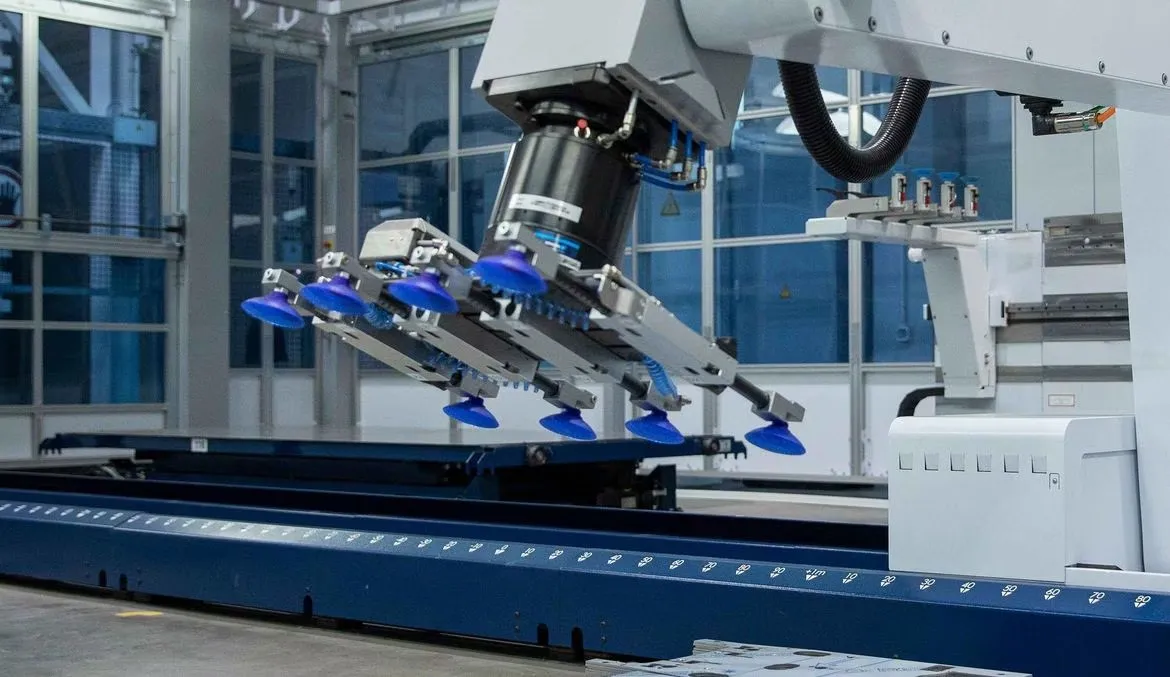
Programming and monitoring a sophisticated TRUMPF bending cell.
Market and Regional Factors
Final price is affected by import duties, local dealer markups, currency exchange rates, and the current demand-supply dynamics. Configuring a machine with specific options will also lead to a custom quote from a TRUMPF distributor.
Conclusion: Evaluating Value Over Cost
While the TRUMPF bending machine price represents a significant capital investment, it is crucial to evaluate it as a long-term investment in productivity, part quality, and competitive advantage. The higher initial cost is often justified by unparalleled precision, reliability, and integration capabilities that drive efficiency for years. Prospective buyers should carefully assess their production needs, desired automation level, and calculate the Total Cost of Ownership to make an informed decision that aligns with their strategic manufacturing goals.
Key Takeaway
The price of a TRUMPF bending machine is a reflection of its technology, capacity, and automation level. Investing in a TRUMPF machine goes beyond purchasing a tool—it's about acquiring a system designed to maximize precision, minimize waste, and ensure long-term operational reliability in demanding fabrication environments.
